
Key Information
– Fillers replace lost hyaluronic acid to restore hydration and volume.
– Different filler types are chosen depending on area, skin quality, and desired effect.
– Safety depends on product quality and practitioner expertise.
– Subtle, well-planned treatments can rejuvenate the face without changing your natural features.
Aging is a natural process, and with it, our skin gradually loses some of its firmness, elasticity, and volume. While this change is completely normal, many people notice that features they once associated with youth—like full cheeks, smooth contours, and hydrated skin—begin to diminish over time.
Dermal fillers are one of the most effective ways to restore this lost volume and help the skin look refreshed and balanced again. But what exactly are fillers, and how do they work?

What Are Dermal Fillers?
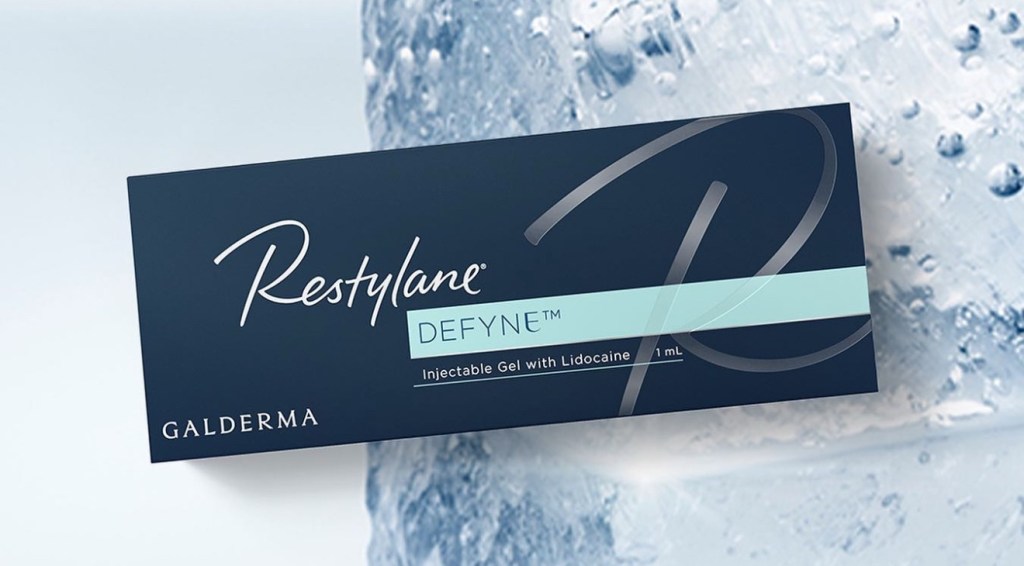
Dermal fillers are gel-like substances designed to add volume, smooth lines, and enhance facial contours. Most modern fillers are made from hyaluronic acid (HA) — a naturally occurring molecule found in our skin, eyes, and connective tissue.
Hyaluronic acid acts like a sponge, attracting and holding water to maintain hydration and structure within the skin. As we age, our natural HA levels decline, leading to dryness, sagging, and fine lines. HA-based fillers replenish this, restoring a smoother and more youthful appearance.
How Fillers Work Beneath the Skin
When placed carefully in the correct layer of the skin, dermal fillers integrate with the surrounding tissue. This not only provides immediate volume restoration, but also improves hydration and skin quality over time.
Advanced filler technologies use cross-linking, a process that binds HA molecules together to control how firm or flexible the product is.
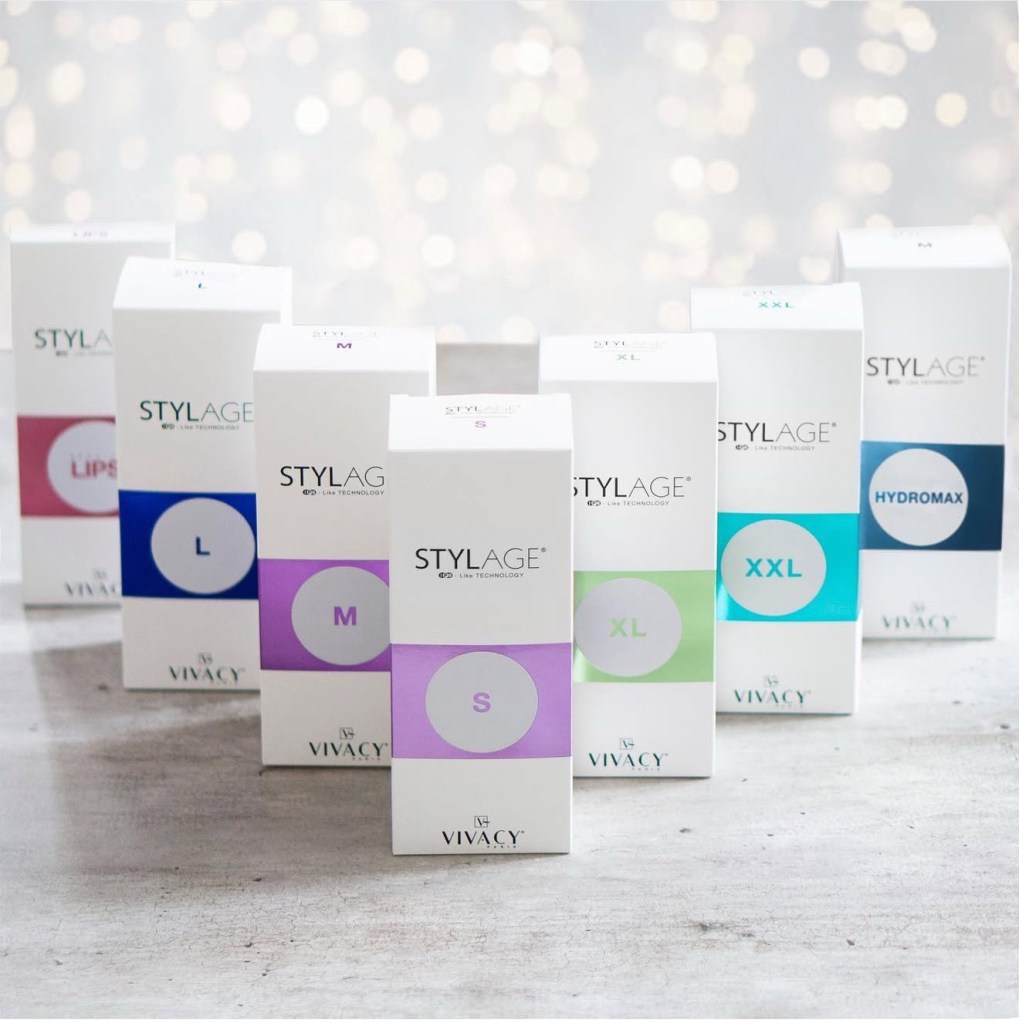
Softer fillers are ideal for subtle enhancement and hydration (for example, in the lips or under the eyes). More structured fillers are used for sculpting and lifting areas such as the cheeks, jawline, or chin.
This flexibility allows practitioners to create truly bespoke results — enhancing natural beauty rather than changing it.
The Role of Collagen Stimulation
Some fillers don’t just replace lost volume — they stimulate collagen production too. Collagen is the main structural protein in the skin, giving it firmness and elasticity. By encouraging your body to produce more of it, these treatments can help achieve longer-term improvements in skin texture and tone.
What to Expect From Treatment
A filler appointment typically begins with a detailed consultation to assess facial anatomy, discuss desired outcomes, and ensure suitability for treatment.
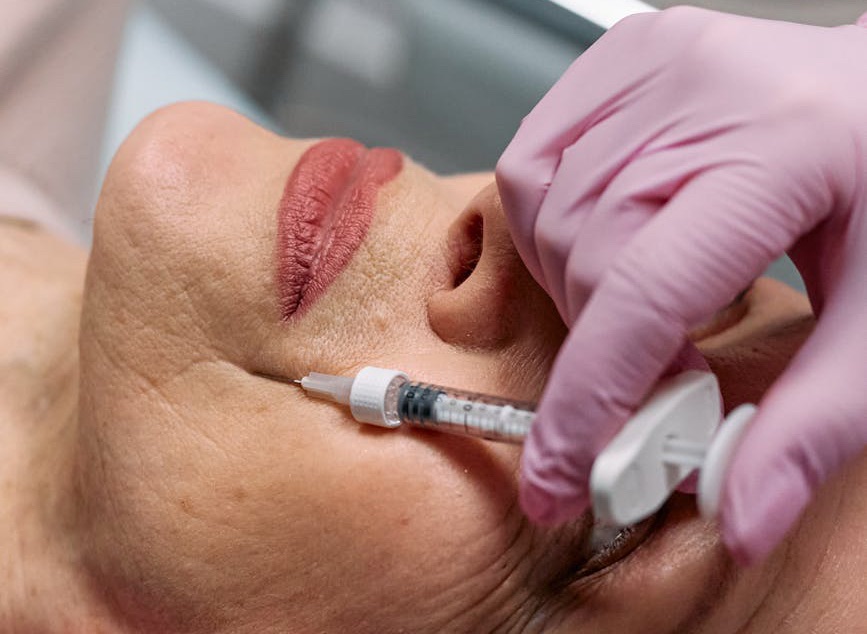
During treatment, the filler is injected using fine needles or cannulas into precise areas. Results are visible immediately, though minor swelling or redness can occur for a short time after.
When performed by a professional trained in anatomy and aesthetics, dermal filler treatments are safe, highly customisable, and tailored to each individual’s goals.
Safety and Standards Matter
Not all fillers are equal. In the UK, dermal fillers are classed as medical devices, meaning that product quality, sterility, and proper storage are vital. It’s important that clients seek out clinics that follow medical guidelines, use licensed products, and have the training to manage any rare complications safely.
At Revive Aesthetics Bridgend, all treatments are evidence-based, medically led, and performed only after thorough assessment and consent — ensuring your wellbeing is always the top priority.
Beyond Aesthetics: Restoring Confidence
Dermal fillers aren’t just about enhancing appearance. For many, they’re about restoring harmony and confidence — reflecting on the outside how they feel inside. Whether it’s softening the shadows of tiredness, balancing facial proportions, or restoring definition lost over time, fillers can achieve natural, refreshed results that evolve with you.
📍Written by Nurse Justyna Smeaton, Registered Nurse and Aesthetic Practitioner
Revive Aesthetics Bridgend
 Revive Aesthetics Bridgend 2025
Leave a comment